Prefab Wooden Homes
Manufacturer

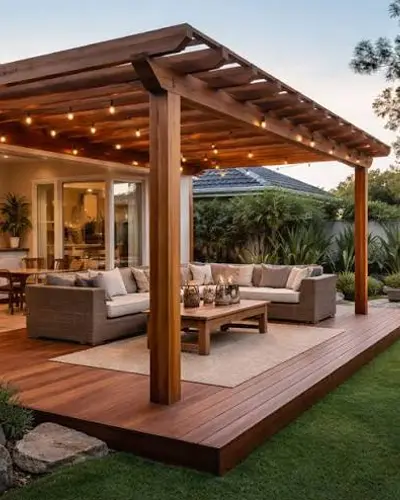
Looking for a Terrace Wooden Pergola in Sonmarg? We are a leading manufacturer and supplier of beautifully designed, durable, and weather-resistant wooden pergolas that transform terraces into stylish and comfortable outdoor spaces. Our terrace wooden pergolas in Sonmarg manufactured customized in different sizes, designs, finishes, and layouts to complement your property and lifestyle. Our Terrace Wooden Pergola in Sonmarg are ideal for residential terraces, rooftops, restaurants, cafes, resorts, balconies, and outdoor seating areas. From design and fabrication to transportation and installation, we focus on quality wood, structural strength, weather protection, durability, and expert craftsmanship.
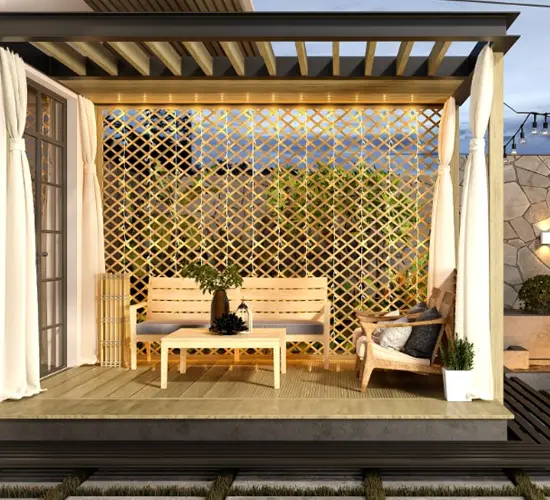
A bare terrace can feel too hot in the sun and exposed when you want to sit outdoors. A wooden pergola can add shade and give the space a clear purpose. If you’re considering A Nature Wood House as a terrace wooden pergola manufacturer in Sonmarg, start by checking how its work, materials, and project terms match your needs.
Choosing a maker takes more than picking a photo you like. You’ll want to assess design options, compare wood and finish details, and understand what installation includes. These checks can help you plan a pergola that suits both your home and the way you use your terrace.
The right design depends on your terrace size, sun and rain exposure, and intended use. It also depends on the manufacturer’s documented skills and the site conditions. Confirm those details before you approve a design or quotation.
A company name or attractive image can help you begin your search, but it can’t confirm the details of a project. When you contact A Nature Wood House, ask for information about its pergola work, process, and project scope. Clear answers make it easier to judge whether the company fits your terrace plans.
Ask whether the company designs pergolas to fit each terrace or offers set designs. Find out which parts can be changed, such as dimensions, beam layout, wood, and finish. Also ask who handles fabrication and installation, and whether those tasks are included in one quote.
Request drawings or a written design plan before work begins. These should show the proposed size, post locations, and key connections. If the design includes added screens or a roof covering, confirm that those parts are available and suited to your site.
Ask to see photos of finished terrace pergolas, not only design mock-ups. Check whether the images show the full structure and useful details, such as joints, posts, and finish. If the company shares client feedback, look for comments tied to a real project and a clear scope of work.
Ask whether you can view a project similar in size or use to yours. A pergola built for dining may have different spacing and access needs than one made for a small sitting area. Use examples to guide your questions, not as proof that the same design will suit your terrace.
A quote may include different tasks from one maker to another. Ask if it covers site measurement, design, material supply, finishing, delivery, installation, and cleanup. Confirm what it excludes, too, such as electrical work or changes to the terrace surface.
Get the scope in writing before you pay a deposit. It should name the agreed dimensions and materials, along with payment terms and any warranty details. This gives both sides a clear record if the plan changes.
A pergola should support the way you plan to use the terrace. Start with practical needs, then choose a look that suits the home. This order can help you avoid a design that looks appealing but blocks a doorway or leaves the main seating area in full sun.
A dining area needs enough room for a table, chairs, and people to move around them. A quiet seating spot may need less floor space but more shade where you sit. If you plan to garden, leave room for pots, watering, and access to taps.
Measure the usable area before asking for a quote. Mark doors, drains, steps, lights, and other fixtures on a simple sketch. Share photos from several angles so the designer can see the terrace’s shape and any access limits.
Beam size, spacing, and finish all affect how a pergola looks beside the house. A large frame may feel out of place on a compact terrace, while a very light frame may not suit a broad outdoor area. Ask for a drawing that shows the structure next to the wall or roofline.
Use your home’s colors and existing finishes as a guide. Bring reference photos, but be clear about what you like in each one. You may prefer the beam shape from one design and the finish from another.
An open pergola can soften direct sun, but it may not block rain or strong light at every hour. Ask how beam spacing and the pergola’s position affect shade across your planned seating area. The result depends on the design and the sun’s direction.
Screens, compatible coverings, or climbing plants may suit some projects. Confirm that any extra feature is safe for the structure and fits the care plan. Don’t assume a pergola provides full weather cover unless the design and materials are made for that purpose.
Two quotes can look similar while naming different materials or work. Compare the details in writing rather than relying on a broad label such as “wooden pergola.” Ask the manufacturer to explain any term you don’t understand.
Ask for the wood species and grade, along with details of any treatment. Request product papers where available, and confirm whether the listed material applies to every part of the structure. These details help you compare quotes on equal terms.
Discuss how the wood is expected to respond to the terrace’s sun, rain, and moisture. The manufacturer should explain which care steps suit the specified wood. Don’t assume that all wood needs the same treatment or upkeep.
Ask which finishes are offered and how each will look on the selected wood. A sample can help you judge color and sheen in daylight. Confirm whether the quoted finish is applied before delivery or during installation.
Care needs vary with the wood, finish, and exposure. Ask how often the finish may need attention and what products to use. Get the care instructions in writing, especially if the work includes a warranty.
Ask how the posts and beams connect, and how the structure will be anchored. The right method depends on the pergola design and the terrace surface. A qualified professional should review structural questions before work starts.
Discuss drainage, access, and nearby utilities during planning. The installer should know where water flows and how materials will reach the terrace. Check with your building manager, landlord, or relevant professional about approvals before fixing anything to the building.
Good planning can reduce delays and avoid surprises during installation. Share enough detail for the company to assess the site and prepare a clear proposal. Keep dates and costs project-specific; they depend on the design, materials, and access.
Send terrace measurements, clear photos, and a short note on how you’ll use the pergola. Include a few design references and your preferred budget range. Mention any known limits, such as narrow stairs or restricted work hours.
Ask whether a site visit is needed before the company confirms the design and price. Measurements from a photo or sketch may not show every issue. A site check can help identify access, drainage, and fixing concerns.
Check that the quote lists the proposed dimensions, wood, treatment, finish, and installation work. It should also state what is excluded, the payment schedule, and any warranty terms. If a detail is unclear, ask for a written answer before you agree.
Compare quotes with the same scope. A lower price may leave out delivery, finishing, or site work, so the headline figure alone can mislead. Confirm how changes to the design or materials could affect the final cost.
Find out who must arrange any building-society or landlord approval. Confirm the installation date only after access and permission are clear. Ask how the team will protect the terrace and manage materials during the work.
Regular checks can help you spot small issues before they grow. Follow the care instructions for the exact wood and finish used on your pergola. General advice can’t replace the maker’s guidance for a specific build.
Remove leaves and dirt that collect on beams or near posts. Look over visible joints and the finish, especially in spots exposed to rain or standing water. If you see a change that concerns you, contact the installer.
Ask A Nature Wood House for written care guidance when the project is complete. The right upkeep schedule depends on the wood, treatment, finish, and exposure. Keep the instructions with your project papers so you can refer to them later.
Contact a qualified professional if a connection loosens, the wood shows damage, or water gathers around the structure. Avoid structural repairs unless you have the right skills and advice. Prompt help can also clarify whether the issue relates to installation or routine wear.
A well-planned wooden pergola in Sonmarg starts with a clear use, careful measurements, and written material and installation details. Review A Nature Wood House’s documented work, confirm what the quote includes, and check site needs before approving the design. For a project discussion, share your terrace photos, measurements, and preferred style with the company, then ask for a written plan that fits your space.