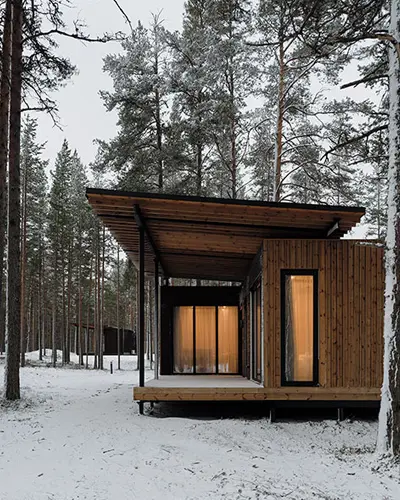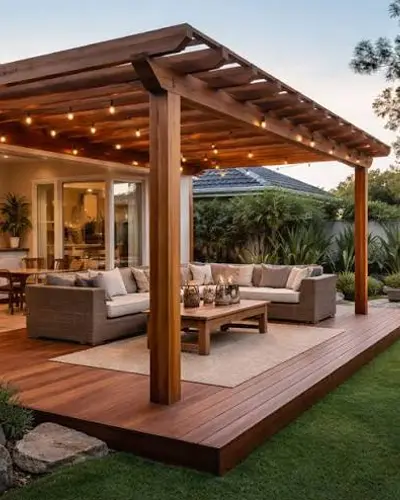
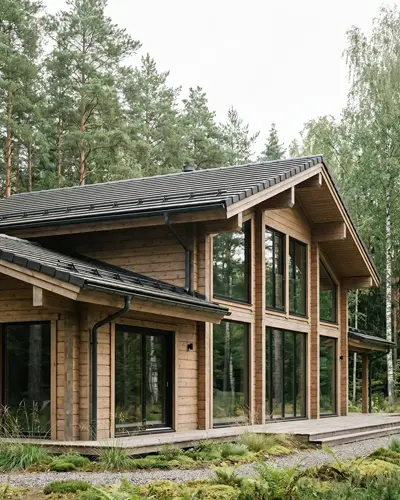
Prefab Wooden Homes
Manufacturer

Looking for a Prefab Wooden Modular House in Mahabaleshwar? We are a leading manufacturer of prefab wooden modular house in Mahabaleshwar modern, durable, and eco-friendly modular wooden houses designed for comfortable and efficient living. Our prefab wooden modular house in Mahabaleshwar manufactured customized using quality materials and expert craftsmanship, with customizable layouts and designs to suit your space, lifestyle, and budget. From design and manufacturing to installation, we ensure excellent quality, durability, and attention to detail at every stage.
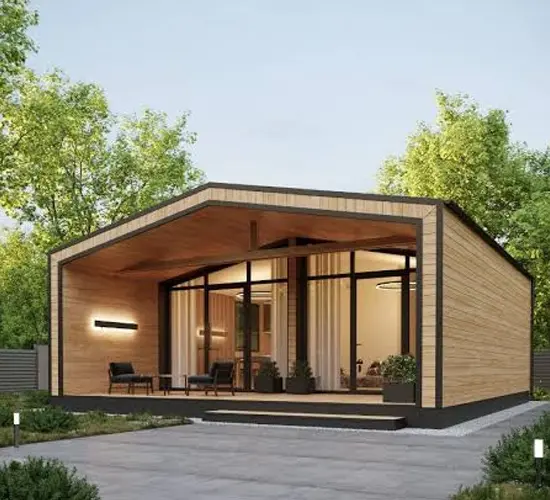
A wooden home can bring warmth and natural texture to a plot, while modular construction can help organize design and assembly. A Nature Wood House is a prefab wooden modular house manufacturer in Mahabaleshwar for buyers exploring this style of build.
The right choice depends on more than appearance. You’ll want clear details about design, materials, transport, installation, cost, and support after the work is done.
This guide explains how prefab wooden homes are planned, what to ask A Nature Wood House, and how to compare a proposal with care. A manufacturer’s reputation is strongest when it comes with clear specifications, confirmed project examples, and customer evidence.
With prefab construction, some parts of a home are made away from the building site and assembled later. This can help organize production and site work, though the actual schedule depends on design, materials, transport, weather, and site readiness.
Ask A Nature Wood House which parts of a proposed home are made off site and which are completed at your plot. Request a written schedule that covers design approval, production, delivery, and assembly instead of relying on a general build-time estimate.
A modular wood structure may suit a range of uses, such as a primary home, farmhouse, holiday home, or small commercial space. These are potential applications, not proof that a particular manufacturer has completed each type of project.
Share how you plan to use the building, how many people will use it, and what rooms you need. Then ask for examples of similar work that the company can confirm and show.
Delhi’s hot summers and seasonal monsoon rain make heat control, ventilation, roof design, and water drainage important planning points. A wooden home’s comfort and upkeep will depend on its full design and material specifications, not wood alone.
Discuss the plot’s sun exposure, water flow, access road, and nearby buildings with the manufacturer. Ask a qualified local professional to review site conditions and confirm that the proposed design suits the location.
A useful first brief includes the plot location and size, intended use, room needs, budget range, and preferred schedule. Photos, site plans, and layout references can help make the first discussion more specific.
Ask A Nature Wood House what it includes in the planning stage. Confirm whether the proposal covers site review, design drawings, revisions, and coordination with local professionals, or whether any of these are separate services.
Wood type, finish, insulation, roof, floor, frame, doors, and windows can vary by design. Those choices affect appearance, comfort, care needs, and cost, so ask for the exact specifications for your project rather than relying on general product descriptions.
Request a written schedule of materials and finishes with brand or grade details where relevant. If the design includes insulation or weather protection, ask where each layer goes and how it will be installed.
Before work begins, ask how production, packing, transport, and on-site assembly will happen. Confirm who prepares the foundation, what access the delivery vehicle needs, and which site tasks are your responsibility.
Get the locations served, delivery assumptions, and estimated timeline in writing. The final schedule may depend on design approval, material supply, road access, and site readiness, so ask how changes or delays will be handled.
Ask for dated examples of completed work, including the project location and type. Client-approved photos can help you judge finish quality and compare the example with your own needs.
A project gallery is most useful when the company can explain its role in each build. If a past client is willing to speak with you, ask about delivery, fit and finish, and how the company handled any issues.
Ask what inspections take place during production and installation, and who signs off on completed work. Find out what the warranty covers, how long it lasts, and whether it applies to materials, workmanship, or both.
Also confirm how to report defects and what support is available after handover. Request any care guidance in writing, including advice for cleaning, finish upkeep, and checks after heavy rain.
Check any business credentials or product certifications the company cites, and confirm what each one covers. Reviews and testimonials can add context, but look for identifiable sources and permission to use customer comments.
A claim of being a leading manufacturer is more useful when backed by dated projects, clear product details, and credible feedback. Compare those records with the same evidence from other suppliers.
Ask for an itemized written quote. It should say whether design, materials, finishes, transport, installation, foundation, site work, and taxes are included, and list any exclusions.
A low starting quote may not cover site preparation or delivery. Compare proposals using the same room plan, finish level, and work scope so you can see what each price includes.
Before signing, check land use, building rules, and approval needs with the relevant local authority and a qualified professional. Requirements can depend on the plot, intended use, and proposed structure.
Review site access, ground conditions, drainage, and utility needs as well. Confirm who will arrange any surveys, permissions, or site work, and include those responsibilities in the agreement.
Get clear answers on specifications, customization, payment stages, delivery dates, and how requested changes affect cost or timing. Ask how the company records approved drawings and handles defects after installation.
Read the warranty and cancellation terms before making a payment. The contract should name the work, payment milestones, delivery assumptions, exclusions, and a clear process for resolving concerns.
Share the plot location and size, intended use, preferred layout, budget range, and target schedule. Add photos, a site plan, or reference images if you have them.
The more specific your brief, the easier it is to compare a proposal with your needs. If some details are still open, note that rather than treating an early estimate as final.
Ask for drawings, itemized specifications, inclusions and exclusions, delivery assumptions, payment terms, and after-sales details in writing. Check that the proposal matches your brief and identifies any decisions still needed.
If you’re comparing manufacturers, send each the same brief. Similar inputs make it easier to spot differences in materials, scope, and site costs.
Look through confirmed project examples and ask for product details that match your proposed design. If client references are available, use them to learn how the work went after the agreement was signed.
Read the final contract against the proposal before paying a deposit. Make sure any promised changes or services appear in the signed documents.
Prefab construction can make a wooden home’s production and site work easier to plan. The result still depends on suitable materials, a sound design, site conditions, local permissions, and a clear agreement.
A Nature Wood House is a Delhi option to consider when comparing prefab wooden modular house manufacturers. Share your plot details and project brief, then request a written proposal with confirmed specifications, costs, schedule, and support terms.