Prefab Wooden Homes
Manufacturer

Looking for a Timber Frame Wooden House in Lonavala? We are a leading manufacturer of strong, stylish, and eco-friendly timber frame wooden houses designed for comfortable and long-lasting living. Our homes combine the natural beauty of timber with modern construction techniques, offering customized designs to suit your space, lifestyle, and budget. From design and manufacturing to installation, we focus on quality materials, structural strength, durability, and attention to detail.
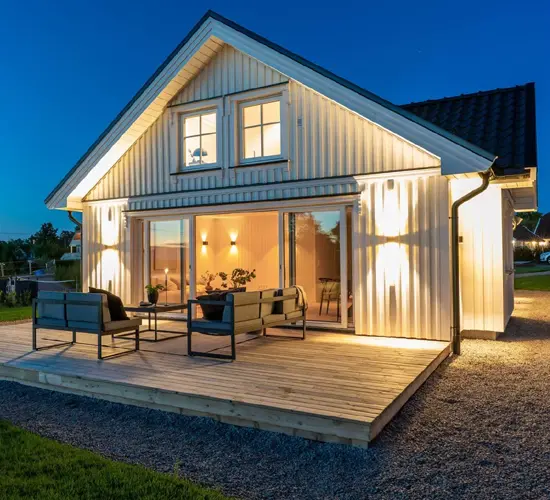
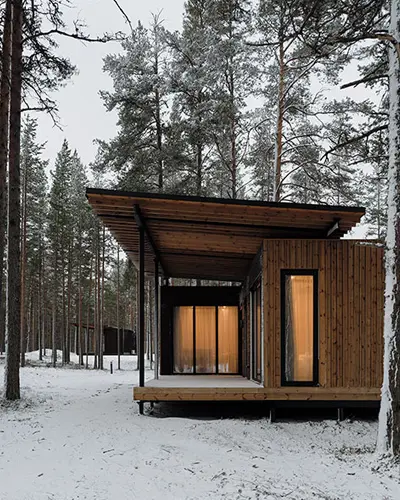
A home framed in timber can bring natural warmth and a distinct look, where many buyers want a house that feels personal rather than standard. A Nature Wood House, featured online as Nature Homes, says it makes timber frame wooden house and supplies projects in Lonavala. Before treating a timber home as the right fit, check the structure, materials, project scope, and manufacturer’s documented work.
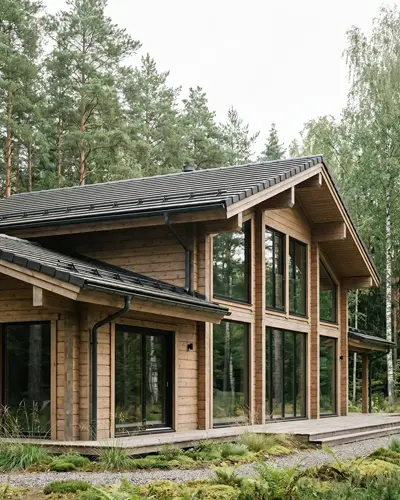
In a timber frame house, a load-bearing frame of wood supports the building. That differs from a log house, where stacked logs form the walls, and from a conventional house with a concrete or steel frame and timber used mainly as finish. Exposed beams, wood surfaces, and open rooms can give a home a natural feel, while wall and floor finishes help set the style.
Some timber projects use off-site preparation, where parts are made or assembled before delivery. This can help coordinate design details and on-site work, though the actual process varies by manufacturer in Lonavala.
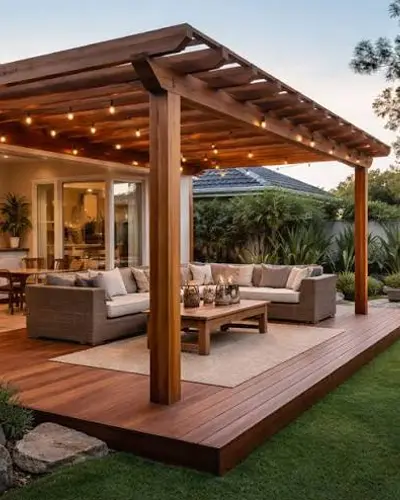
Timber homes can be planned with different room layouts, roof forms, finishes, and window styles. Your choices will depend on site size, intended use, budget, and the manufacturer’s available systems. Ask A Nature Wood House for current plans and photographs of completed work before assuming that a specific design or finish is offered.
Ask for photos and locations of completed homes, along with references from past clients. Find out which parts of each project the manufacturer handled, such as design, supply, transport, or installation. The Nature Homes website lists project names, but you should confirm the company’s role and request supporting details before relying on them.
Ask for the timber type and grade, frame details, wall build-up, insulation, finishes, joinery, and quality checks in writing. These details affect how the building is made and what is included in the quote. Itemized proposals make a fairer comparison than headline prices, which may leave out key materials or site work.
Clarify whether the price covers design, foundations, delivery, installation, utilities, taxes, and finishing. Ask who manages the work on site and how repairs or maintenance issues are handled after handover. Read the contract and warranty terms before paying a deposit, and check what the documents exclude.
Start with accurate site measurements, access for delivery vehicles, utility needs, and the building’s intended use. A full-time home may call for different planning than a holiday house, rental, or farm building. Check land-use rules and local permissions with qualified professionals or the relevant authorities before approving a design.
The floor plan, structural design, services, and material choices need to work together. Have qualified professionals review structural calculations, foundations, and code requirements for the site. Ask the manufacturer which drawings and technical documents it provides, and which must come from your architect or engineer.
Before work begins, ask how the parts are made, packed, transported, and assembled. Confirm who prepares the site, manages lifting equipment, and handles connections to utilities. Get the expected schedule, key milestones, and responsibilities in writing; timing depends on design, approvals, site conditions, and project scope.
Ask how the proposed design addresses heat, cold, rain, ventilation, and indoor moisture. Insulation, shading, window placement, and airflow all affect comfort, so request details for the specific materials and design. Avoid relying on broad claims about energy savings without project-specific evidence.
The right finish, drainage, and moisture control help protect wood over time. Ask how exposed timber should be inspected and cleaned, and what signs of wear need prompt attention. Request a written maintenance plan based on the timber and coatings used in your house.
A low initial quote may not show the full cost of upkeep, repairs, or excluded work. Compare the stated material life, warranty coverage, maintenance needs, and energy-related specifications across proposals. Use written documents and references to assess long-term value instead of assuming timber will always cost less or last longer.
Ask whether the quote covers design drawings, structural work, timber, finishes, transport, installation, foundations, and utility connections. Request a clear list of exclusions, taxes, and any work assigned to you or another contractor. This makes it easier to compare proposals on the same basis.
Request project references, detailed product specifications, structural documents, approval requirements, and warranty terms. Ask for relevant project photos and the company’s role in each one. The company website describes its work in wooden houses, resorts, and farmhouses; confirm which services it can provide for your site.
Find out how the company prices changes after design approval and what happens if site conditions affect the plan. Ask for payment milestones, schedule updates, and the process for resolving delays. Record agreed changes and commitments in the contract or a signed amendment.
A well-planned timber frame home depends on a design suited to its site, clear material specifications, qualified technical review, and a contract that spells out responsibilities. A Nature Wood House is an option in Lonavala buyers to assess through documented projects, detailed proposals, and direct answers about construction and care. Request a written quote, compare its scope with other offers, and verify the company’s project claims before you commit.