
Why Wooden Houses Are Transforming the Hospitality Industry
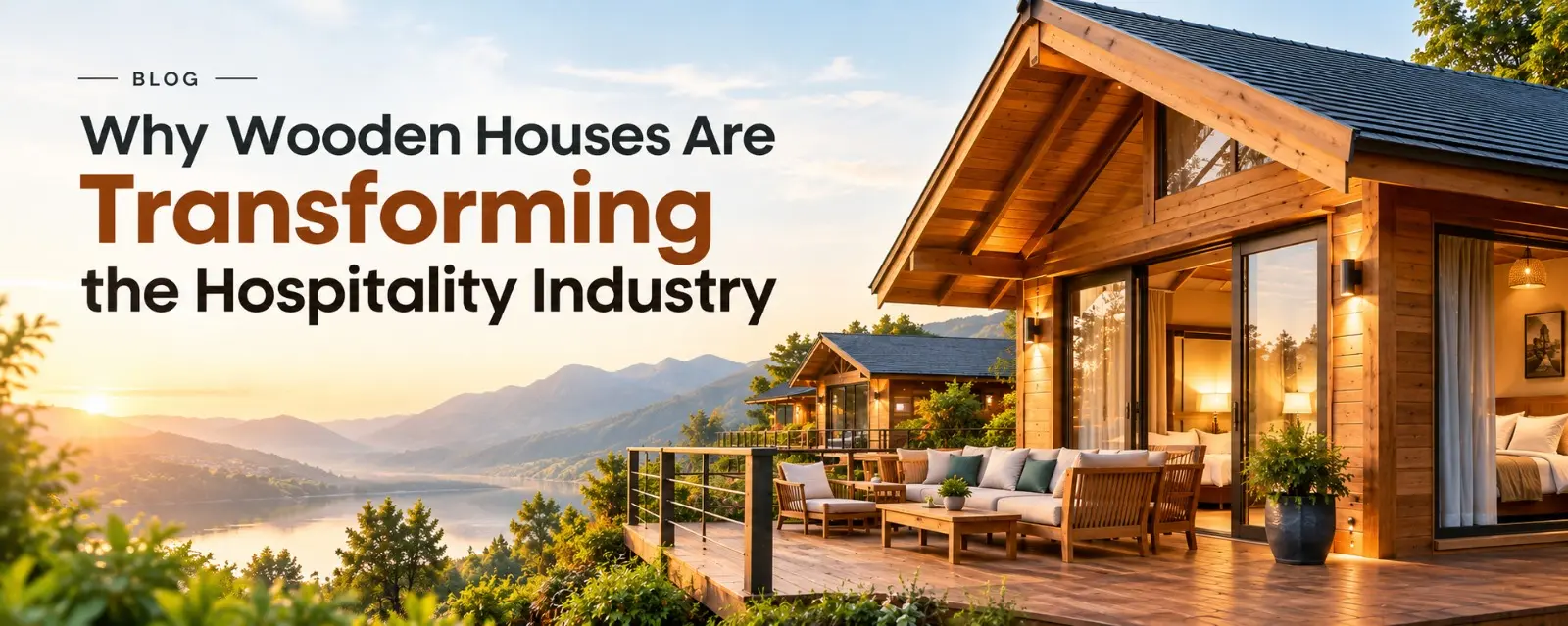
A hotel room can offer a comfortable bed and a quick check-in. A wooden cabin, with trees beyond the window and a sheltered path to the door, can make the setting part of the stay. That difference is drawing interest to timber houses, cabins, and lodges as hospitality spaces with a strong sense of place.
Wooden construction can support a memorable guest experience, but the material alone guarantees neither comfort nor lower environmental impact. Good results depend on careful design, responsible sourcing, safe building, and sound day-to-day operations. For brands such as A Nature Wood House, the opportunity is to create stays that feel tied to nature and stand up to practical tests.
Why Wooden Houses Give Guests a Closer Connection to Nature
Timber, daylight, outdoor access, and thoughtful views can make the natural setting feel present indoors. How well they work depends on the design, the site, and the way the property is run.
Biophilic design can make a stay feel restorative
Biophilic design brings natural features into a building through materials, light, views, and access to outdoor spaces. A timber wall, a wide window facing trees, or a small deck can help guests feel more connected to their surroundings. These are design aims, not a promise of better health; any wellbeing claims should rest on suitable research.
Distinctive wooden architecture makes a property memorable
A well-designed cabin or lodge gives guests something distinctive to remember and share. Treehotel in Harads, Sweden, offers one example: its forest accommodation includes structures with different designs and materials, rather than one all-wood style. Its range of forms shows how architecture can give a stay a clear identity.
Privacy and local character shape the experience
Detached cabins or small clusters of houses can give guests more privacy than a large hotel, depending on spacing and layout. Yet a quiet room alone won’t make a stay feel rooted in its destination. Views, local culture, food, and attentive service all help connect the building to the place around it.
How Wooden Houses Can Support Responsible Hospitality
Timber is often considered for lower-impact building, but a wood structure isn’t automatically a sustainable one. Sourcing, transport, construction, energy use, repairs, and end-of-life choices all affect its total impact.
Responsible sourcing strengthens the sustainability story
Hospitality teams should ask where the timber came from and how its source is managed. The Forest Stewardship Council (FSC) is one reference for certified forest products, but teams should check what a specific certification covers before using it in marketing. Clear records help make sourcing claims more credible.
Lifecycle assessment puts claims in context
A lifecycle assessment can compare impacts across materials, construction, building use, renovation, and end of life. It helps teams avoid broad claims based only on wood’s ability to store carbon during a building’s service life. Use results for the specific project and compare them with suitable alternatives.
Energy use depends on the whole building
Timber alone doesn’t tell you how much energy a guest house will use. Insulation, airtightness, windows, heating and cooling, and passive design all play a part. Compare modeled or measured results with local standards, then track actual energy use after opening.
Designing Wooden Houses for Comfort and Character
The right building should suit its site and the people who will use it. Room layout, material choice, and local design can affect comfort, upkeep, and the way guests experience the surrounding area.
Layout and orientation shape the stay
Place rooms to make good use of daylight, views, and privacy without exposing guests to unwanted noise or overlooking. Plan practical details too: accessible paths, usable bathrooms, storage, and a covered entry for wet coats and muddy shoes. A comfortable indoor-outdoor connection should work in poor weather as well as on sunny days.
Material choices balance atmosphere and durability
Timber species, finishes, and construction details need to match local weather and exposure to sun, moisture, and temperature changes. A finish that suits a sheltered interior may not work on an exposed wall or deck. Choose materials and protective treatments for the local climate, then set a maintenance plan before opening.
Local design gives a property a stronger identity
Local wood, skilled craftspeople, and regional building traditions can help a property feel part of its destination. That approach also gives a design team more context than a standard cabin plan copied from one site to another. A Nature Wood House can make its brand story more convincing by sharing project details that can be checked, including materials and local partnerships.
How Wooden Houses Change Hospitality Operations
Wooden accommodation can fit several types of stays, from private cabins to family retreats. Whether a project performs well depends on local demand, season, pricing, access, and operating costs, not on the look of the building alone.
Flexible formats serve different travelers
A couple’s cabin, a family-sized retreat, and a small-group lodge meet different needs. Match the format to likely guests, transport links, local activities, and the amenities the property can support. Property-specific booking and revenue data can help owners test demand before expanding.
Construction and maintenance need early planning
Remote or wooded sites can add challenges for deliveries, utilities, repairs, and emergency access. Fire safety, pest prevention, moisture control, and inspection schedules should be part of the plan from the start. Owners should work with qualified designers, engineers, and fire-safety professionals, and check local building codes before choosing a construction system.
Guest storytelling should be backed by evidence
Guests may want to know where building materials came from, how the property manages energy, and who helped build it. Share details the team can verify, such as sourcing records, measured energy use, maintenance practices, and local partnerships. Avoid broad environmental claims that the available evidence can’t support.
Planning a Viable Wooden-House Project
A strong concept needs early coordination between design, construction, finance, operations, and marketing teams. That shared planning can help prevent a beautiful building from becoming hard to access, costly to maintain, or poorly suited to guests.
Assess the site before choosing a building concept
Check climate, slope, access, utilities, views, environmental limits, and local planning rules before settling on cabins, a lodge, or a cluster of houses. These conditions shape what can be built and how guests and staff will move around the property. A site review can also reveal where construction may need to avoid sensitive areas.
Compare costs across the full project life
Compare initial construction costs with expected energy use, repairs, replacement needs, and operating costs over the property’s planned life. Use estimates based on the actual site and test how costs change if key assumptions shift. Generic cost claims won’t show whether a specific project makes financial sense.
Set measurable goals before opening
Decide how the team will track guest satisfaction, energy use, maintenance, occupancy, and responsible sourcing. Review those measures after opening and adjust where results fall short. Reliable records also give the marketing team a sound basis for describing the property’s performance.
Wooden Houses Need Good Design and Responsible Practice
Wooden houses can help hospitality brands offer stays that feel distinctive and connected to nature. Their success depends on more than timber: projects need site-led design, verified sourcing, safe construction, energy planning, and a realistic approach to maintenance.
For owners, the next step is to test the idea against the site, the budget, and the needs of future guests. A Nature Wood House can be part of a wider shift toward stays that respect their setting and community, while giving travelers a reason to remember the place.