
Building a Greener Future: Why Wooden Homes Are the Way Forward
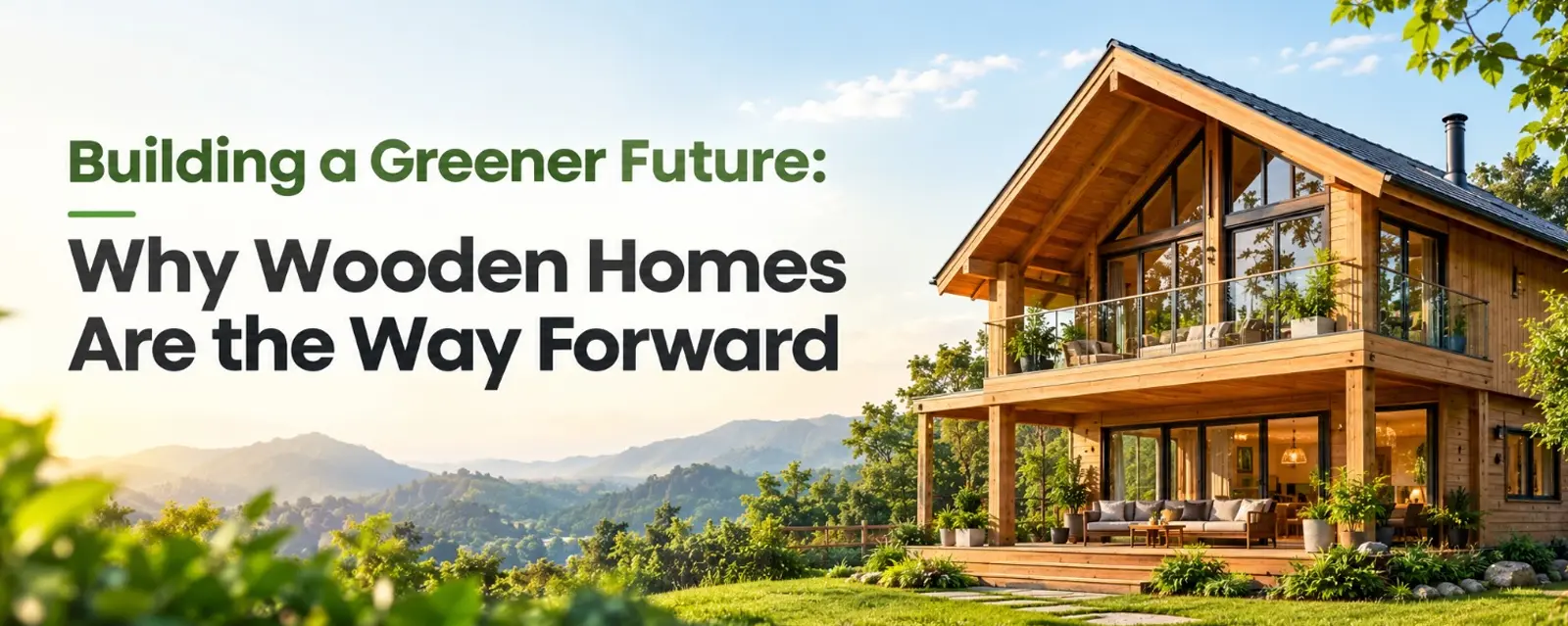
A home may stand for generations, but its building materials can leave a lasting mark on the climate. Wooden homes offer one way to rethink construction, with real potential to reduce impact when they’re planned and built with care.
Trees absorb carbon as they grow, and some of that carbon stays stored in timber used in a home. Wood can also take less energy to produce than some common building materials. Those benefits depend on responsible forestry, durable design, and what happens to the materials when the building reaches the end of its life.
A greener home takes more than a timber frame. The choices behind the wood, the home’s energy use, and its upkeep all matter. Here’s how to weigh those factors, plan for comfort, and ask the right questions before you build.
Wooden Homes Can Reduce a Building’s Climate Impact
Material choices affect a home’s footprint before construction starts and throughout its life. Timber can help, but its climate benefits depend on the full life cycle of the building.
Timber can store carbon during a building’s life
Trees take in carbon as they grow. When wood becomes part of a home, some of that carbon remains stored in the building for as long as the wood stays in use. This can help balance the emissions tied to making and building with timber.
That storage isn’t guaranteed to last forever. It depends on where the wood came from, how long the home stands, and whether the timber is reused or discarded at the end of its service life. A durable house with repairable parts gives the wood more time in use.
Building materials have impacts before a home is occupied
Embodied carbon means the emissions linked to making and installing building materials. It includes work such as extracting raw materials, processing them, moving them to the site, and assembling them into a home. These emissions happen before anyone moves in.
Compare whole-life impacts rather than judging a material on its own. A fair comparison should account for the full building system, including insulation, finishes, upkeep, energy use, and end-of-life options. Timber in one part of a home doesn’t determine its total footprint.
Buildings make climate-conscious construction important
The UN Environment Programme and the Global Alliance for Buildings and Construction reported that buildings accounted for 37% of global energy- and process-related CO₂ emissions in 2021. That figure covers the worldwide buildings sector, not wooden homes alone.
The scale of that impact makes material and design choices worth careful attention. A well-planned wooden home can contribute to lower-impact construction, but its results depend on sourcing, energy performance, and long-term care.
Responsible Timber Makes Wooden Homes More Sustainable
Wood is not sustainable by default. The way forests are managed and timber is processed can change its overall impact.
Choose timber from traceable, responsibly managed forests
Ask suppliers where their timber comes from and how they track it through the supply chain. Forest certifications such as FSC or PEFC can help verify responsible sourcing where those programs apply. Request current chain-of-custody or certification documents rather than relying on a general claim that the wood is “green.”
Your builder should be able to explain which timber products are planned and where they come from. If the source is unclear, ask for another option with better records. Traceability helps you make an informed choice.
Look beyond the word “natural”
A wood product’s impact depends on more than its raw material. Forestry methods, transport distance, processing, adhesives, and coatings all matter. A product that needs frequent replacement may also carry a higher impact over time.
Check product details before approving finishes and composite wood products. Ask what they contain, how they’ll be applied, and how long they’re expected to last. Wood’s natural origin is a starting point, not proof of sustainability.
Keep materials in use for longer
Good detailing can protect timber from wear and make repairs easier. Replacing one damaged board is better than removing a whole section of a wall or floor. Plan for access to parts that may need inspection or repair.
When materials do reach the end of their use, consider whether they can be reused or recycled. Responsible disposal matters too. Keeping timber in service longer helps preserve the value of the energy and resources used to produce it.
Wooden Homes Can Support Comfortable, Efficient Living
Timber alone doesn’t make a house energy efficient. The building envelope and design choices shape how much heat the home loses or gains.
Pair timber construction with a well-insulated building envelope
Ask how the wall and roof assemblies will meet your energy targets. Insulation, airtightness, and high-performance windows all affect how well a home holds a steady indoor temperature. Careful design around joints and connections can also reduce thermal bridges, where heat moves more easily through the structure.
Request details on the proposed wall and roof build-ups, not just a general promise of efficiency. Their performance depends on how the parts work together. A qualified design team can explain what the plans are meant to achieve.
Use passive design to make the most of the site
A home’s position and layout affect daylight, heat gain, and ventilation. The right choices depend on local climate, the shape of the site, and nearby buildings or trees. Discuss orientation, window placement, and shading early in the design process.
Shading can limit unwanted summer heat, while well-placed windows can bring in useful daylight. Natural ventilation may help in some climates, though it won’t suit every site or season. Ask your designer how each choice fits your location.
Make indoor comfort a design priority
Comfort depends on more than temperature. Daylight, acoustics, ventilation, and the finishes you touch all shape daily life. Plan rooms around how you’ll use them, and discuss noise control where bedrooms or work areas sit near busy spaces.
Check product specifications for finishes, adhesives, and coatings. Ask your builder how the team will meet indoor-air-quality requirements during installation and after the home is complete. Clear product information gives you a better basis for choosing.
Modern Engineering Addresses Timber’s Practical Challenges
Fire and moisture need careful attention in any timber home. Design, code compliance, and good construction practices help manage these risks.
Fire safety relies on tested systems and code-compliant design
Fire performance depends on the whole building system. Protective layers, connections, compartmentation, and sprinklers may all play a role, along with the type and amount of timber used. Requirements vary by building and location.
Have qualified professionals review the design and confirm that it meets local building codes. Ask which tested systems the plans use and how the design handles fire separation. Don’t rely on a general claim that a timber home is safe without seeing how its specific design meets the rules.
Moisture control protects a timber home over time
Water can damage wood if it gets trapped or remains in place. Roof and façade details should direct water away from the structure, while drainage, ventilation, and weather barriers help manage moisture. The crew also needs to protect timber from rain during construction.
Before work begins, ask for a moisture-management plan. It should explain how the team will protect materials, check conditions, and respond if wood gets wet. Request clear maintenance guidance for the finished home as well.
Engineered timber shows what modern construction can achieve
UBC’s Brock Commons Tallwood House in Vancouver is a mass-timber student residence, not a private home. The project shows how engineered timber can be used in large buildings when the design accounts for structure, fire safety, and local requirements.
That example doesn’t mean every timber home should use the same methods. A house needs a design suited to its site, scale, and local codes. Work with qualified designers and builders who understand the timber systems they propose.
Plan a Wooden Home Around Long-Term Value
A lower-impact home comes from decisions made across its life, not one material choice. Compare plans on equal terms and ask for clear answers before construction starts.
Compare whole-life performance, not just upfront cost
Compare homes with similar sizes and building specifications. Include timber sourcing, construction methods, expected energy use, maintenance needs, and likely lifespan. A lower starting price may not mean lower long-term cost if the home needs frequent repairs or uses more energy.
Ask for life-cycle information where it’s available. Check which assumptions the figures use, such as the home’s expected life and the source of its materials. This makes comparisons more useful.
Ask builders about timber and construction quality
Ask where the wood comes from and which products, adhesives, and finishes the team plans to use. Find out how the crew will protect timber from moisture during construction and what inspections will take place. Request a maintenance plan that covers the parts most exposed to rain and wear.
Clear answers help you compare builders and catch gaps before work begins. Put key product choices and quality checks in writing where possible. Good communication supports better work on site.
Match the design to the site and the people who will live there
Start with local weather, site conditions, and your household’s needs. A layout that works for one family may not fit another, and future needs can change. Flexible rooms and durable finishes can make updates easier without major rebuilds.
Choose parts that can be repaired instead of replaced when practical. Keep the design suited to how you’ll use the home, rather than adding features that don’t serve a clear purpose. That approach can help the house stay useful for longer.
Build Greener by Choosing Timber Thoughtfully
Wooden homes can support a lower-impact built environment when timber is responsibly sourced, the home is designed for energy efficiency, and the details protect it from fire and moisture. Check where the wood comes from, compare whole-life impacts, and prioritize a high-performance building envelope.
Before you build, ask for sourcing records, product details, construction plans, and long-term care guidance. Greener housing doesn’t come from one material alone. It comes from better choices at every stage, from the forest to the finished home.